Our Platforms
Country-Level Reform Dialogues
A National Engagement Platform under the African Political Parties Initiative (APPI)
Overview
Nationally owned, continentally grounded
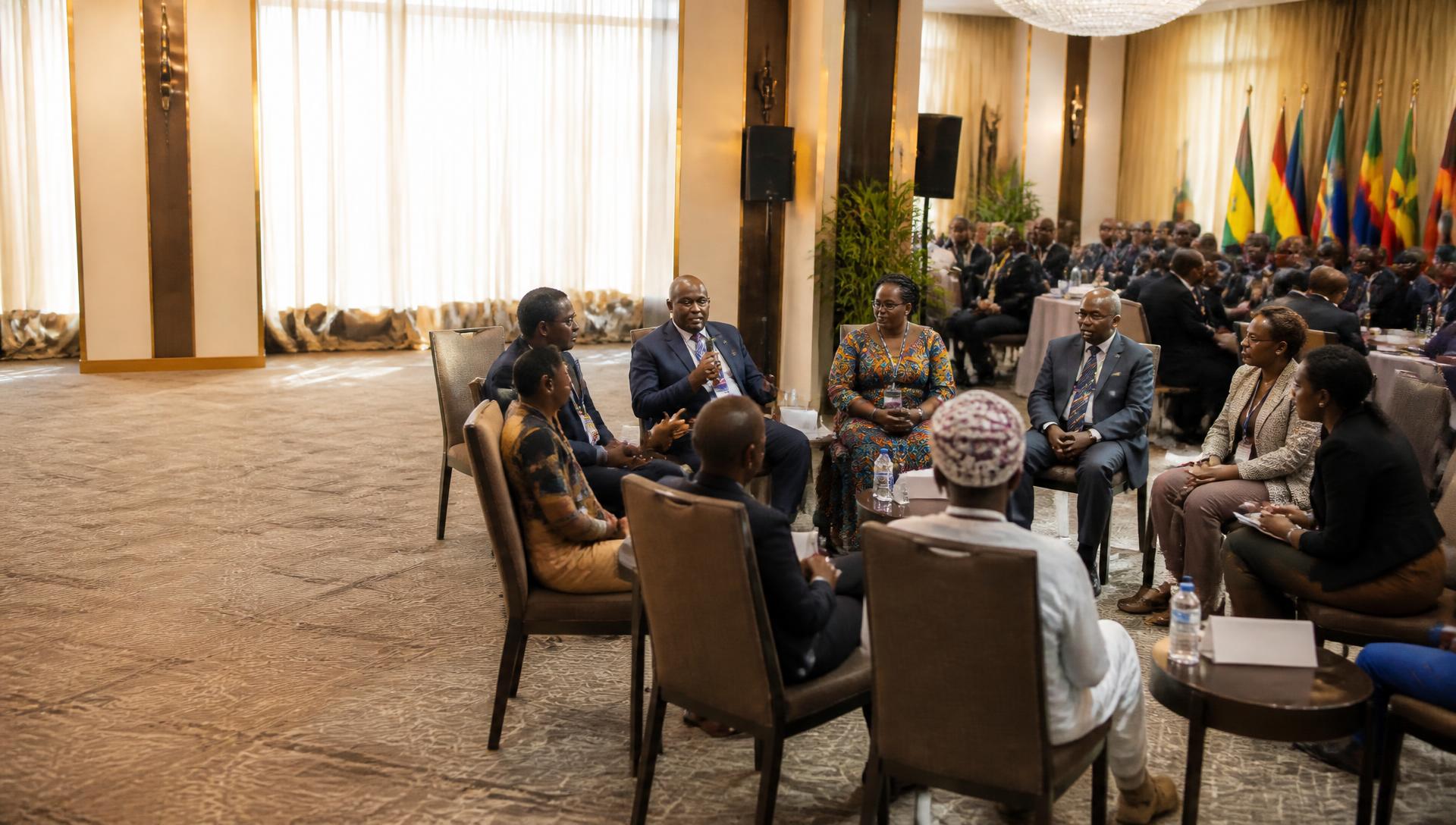
The Country-Level Reform Dialogues are structured national platforms facilitated by APPI to enable inclusive, cross-party, and country-specific political transformation processes. These dialogues are designed to support political systems in addressing critical national challenges such as institutional reform, democratic transition, peacebuilding, and constitutional development.
Each country dialogue is shaped by its unique political context but grounded in shared continental values: inclusivity, integrity, consensus-building, and democratic resilience.
Purpose and rationale
Beyond fragmented reform
In many African countries, efforts at political reform and governance improvement remain fragmented, reactive, or externally driven.
Provide a structured, nationally owned process for dialogue among political parties and governance actors
Support countries navigating political transitions, electoral reforms, or constitutional moments
Institutionalize mechanisms for peaceful negotiation and inclusive consensus-building
Translate continental commitments into national political actions, aligned with APPI's broader vision
Foster long-term political stability, public trust, and party system development
Key objectives
What each dialogue delivers
Facilitate inclusive dialogue on political reform priorities within a neutral, non-partisan structure
Address country-specific challenges such as electoral system review, party financing, decentralization, or constitutional revision
Build consensus among political parties, civil society, traditional authorities, and governance institutions
Create national roadmaps and action plans that are endorsed by key political stakeholders
Provide technical assistance, mediation support, and reform tools through the APPI Secretariat and partner institutions
Structure and process
A five-phase process
All dialogues are facilitated by national convening teams, supported by APPI technical advisors, and monitored by the Secretariat.
- Phase 1
Political Assessment and Readiness Mapping
APPI conducts a political landscape analysis, stakeholder mapping, and institutional risk review in collaboration with national actors.
- Phase 2
Stakeholder Engagement and Framework Design
A Dialogue Framework is co-designed with party leaders, electoral commissions, civil society, and governance institutions. National coordination points are designated.
- Phase 3
Dialogue Sessions and Thematic Consultations
Multi-round engagements address priority reform issues: electoral law reform, party regulation and financing, peaceful transitions and succession planning, constitutional review, and the inclusion of youth and women in political decision-making.
- Phase 4
National Political Reform Roadmap and Commitments
A jointly endorsed roadmap is adopted by participants, with defined milestones, institutional responsibilities, and an implementation timeline.
- Phase 5
Post-Dialogue Implementation and Monitoring
The APPI Secretariat provides technical support, facilitates peer learning, and monitors progress in collaboration with Party Engagement Representatives and national partners.
Priority engagement contexts
Where dialogues may be initiated
- Post-conflict transitions or fragile political settlements
- Pre- and post-election reform windows
- Coalition or power-sharing arrangements
- Transitional governance or military-to-civilian transitions
- Constitutional reform or national dialogue processes
- Crisis-prone political systems needing structured mediation support
Roles and stakeholders
Who takes part
- Political parties (ruling and opposition)
- Electoral commissions and constitutional bodies
- National assemblies or parliaments
- Civil society and faith-based actors
- Traditional authorities and grassroots leaders
- Academia and governance think tanks
- International and regional observers (where appropriate)
Deliverables and outcomes
What a dialogue produces
- National Dialogue Report and Reform Roadmap
- Party-specific reform commitments
- Institutional reform priorities aligned with continental frameworks
- Improved cross-party collaboration and conflict mitigation mechanisms
- Increased public trust and citizen engagement in the reform process
The APPI Secretariat offers
- Mediation and dialogue facilitation support
- Legal and policy expertise on reform issues
- Reform toolkits and comparative frameworks
- Confidentiality protocols and conflict-sensitive approaches
- Alignment with APPI's Monitoring, Evaluation, and Learning (MEL) framework
Engage with this platform
How to take part
Political parties may formally request APPI support to initiate or join a national dialogue
Governments may enter into memoranda of understanding with APPI for structured reform facilitation
Civil society organizations may participate as observers or dialogue contributors
Development partners may co-fund, observe, or contribute technical assistance to national dialogues